Image

Three Lessons Learned
By Erin Shigekawa, Clancey Bateman, and Jenette Spezeski
Telehealth is a key modality for putting behavioral health and primary care within reach for patients. In recent years, state and federal policy alike shifted to support telehealth access during the pandemic and in response to increasing behavioral health needs.1,2,3,4 Meanwhile, providers pivoted to ensure access to care, creating new workstreams or greatly increasing their telehealth capacities.
During this time, behavioral health and primary care state association teams from 20 states participated in Delta Center’s State Learning and Action Collaborative. This post spotlights two teams from Alaska and New York whose partnerships advanced telehealth for their states as one example of state level collective action that ultimately benefits patients.
Due to policy limitations and regulatory barriers for safety-net providers prior to the pandemic, telehealth uptake in the safety net was relatively low and accounted for a small percentage of primary care/health center and behavioral health visits and revenue. For example, in a pre-pandemic survey of their members, the New York State Council for Community Behavioral Healthcare found that telehealth accounted for just 2 percent of visits and revenue at surveyed behavioral health sites.5 However, telehealth’s reach grew significantly during the pandemic.
While coverage and payment varies by insurance type and by state, some common changes to expand access to telehealth include:6,7
In Alaska, the Delta Center brought together the Alaska Behavioral Health Association (ABHA) and the Alaska Primary Care Association (APCA). Throughout their grant period, ABHA and APCA collaborated to inform the evolving telehealth environment and to advance patient-centered telehealth policy changes. The team accomplished this by convening an advisory committee representing a diverse coalition of consumers, providers, advocates, and policy and practice experts. Additionally, the coalition organized legislative education opportunities for policymakers and their association members around pressing issues in behavioral health integration and telehealth. Ultimately, in 2022, the Alaska State Legislature passed HB 265 which preserved pandemic-era access to audio-only telehealth, allowed flexibility for telehealth modality, and expanded Medicaid access to telehealth services.8
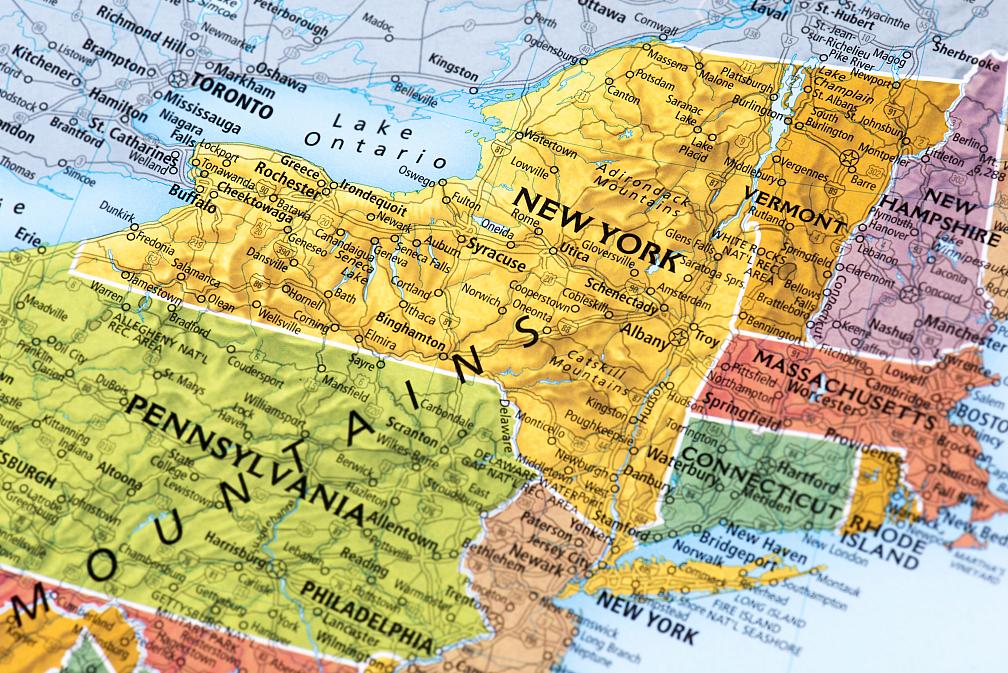
In New York, the Community Health Care Association of New York State (CHCANYS) and the New York State Council for Community Behavioral Healthcare (the Council) collaborated through the Delta Center to publish a white paper titled,“Ensuring Sustained Access to Telehealth in the Post Pandemic Period.” The paper offered recommendations to ensure telehealth access for people served by the safety net. Together, the associations established themselves as subject matter experts on telehealth’s use in primary care settings (i.e., health centers) and in behavioral health settings. The associations shared the white paper with state agencies determining which telehealth flexibilities to retain following the public health emergency’s expiration in May 2023. In addition to receiving both statewide and national media attention, the associations were also invited to present to the Governor’s Blue Ribbon Reimagine New York Commission on telehealth.9,10 Ultimately, the Commission’s action plan had multiple recommendations that aligned with those in the white paper, such as improving coverage and reimbursement for telehealth, and expanding access across modalities and provider types.11
Misconceptions between behavioral health and primary care leaders can be a barrier to collaboration. For example, they may have incorrect assumptions about their counterpart’s funding environment. Additionally, PCAs and BHSAs may sometimes compete for limited resources for their respective members. State teams reported that learning about common challenges through facilitated dialogue helped them realize they shared many of the same barriers and goals—and that they could collaborate to achieve these shared goals. To push against the natural siloes that arise from a fragmented system requires intention, commitment, and trust. Working together on a common cause—in this case, preserving access to telehealth—also builds trust.
Both states were able to leverage their expertise to become trusted entities in the policy sphere, informing state legislators and policy makers on the importance of telehealth access. In Alaska, a broad coalition bolstered the group’s credibility and informed policy discussions with real world examples of telehealth’s impact and the supports needed for implementation. In New York, the associations presented jointly developed, specific, and concrete policy recommendations to support telehealth in the safety net. They were able to to speak with a collective voice, while representing members across the entire state.
Both New York and Alaska elevated the importance of equity for telehealth in different ways. In New York, CHCANYS and the Council’s white paper emphasized that care via telehealth could potentially exacerbate health disparities if equity is not prioritized. Accordingly, the associations recommended training organizations to deliver telehealth in a way that is responsive to patients’ race, ethnicity, and cultural background. In Alaska, centering the lived experience of people who access behavioral health services via telehealth and of the providers who cared for them was a critical component of the legislative education they provided.
Telehealth is one critical tool in the toolbox of integrated primary care and behavioral health. The sunsetting of public health emergencies at the state level represented a consequential crossroads in states’ decisions about telehealth flexibilities. Ultimately, Delta Center partnerships demonstrated the power of bringing a collective voice that amplifies the experience and expertise of each partner and the communities they serve.
For more information about Delta Center supported work in Alaska or New York, check out the materials below.

Support for this program was provided by the Robert Wood Johnson Foundation (RWJF). The views expressed here do not necessarily reflect the views of RWJF.
Funding stipulations from the Robert Wood Johnson Foundation prohibited the use of Delta Center funds for engaging in direct or grassroots lobbying. Grantees used their Delta Center funding to support a broad array of policy activities, including background research, education and training, stakeholder engagement and convening, and building shared policy agendas. As state associations, Delta Center grantees used other non-Delta Center funding sources when they engaged in lobbying and legislative advocacy to advance policy.